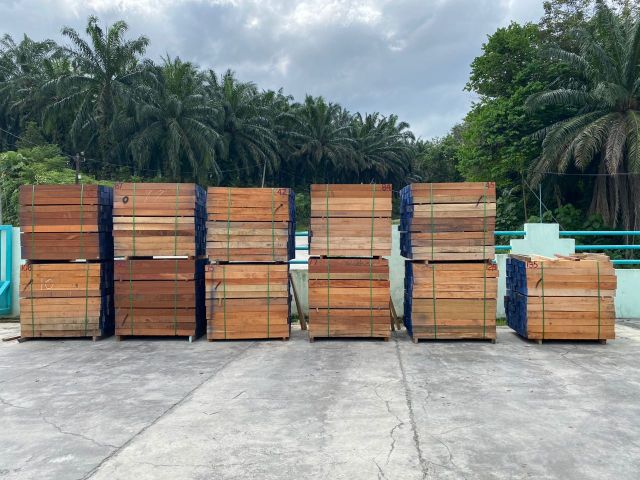
When it comes to export packaging in Malaysia, heat-treated wooden pallets are not just a recommendation — for most international shipments, they are a compliance requirement. This guide covers why heat treatment matters, how the process works, and where to access certified ISPM-15 heat treatment services for wooden pallets in Malaysia.
Why Choose Heat Treated Wooden Pallets?
The heat treatment process involves placing wooden pallets inside a controlled kiln chamber. The temperature is raised until the core of the timber reaches a minimum of 56°C, sustained for at least 30 continuous minutes — the core temperature must be monitored throughout, not just the surface. Once the treatment cycle is complete, the pallets are stamped with the official ISPM-15 mark, which includes the treatment method (HT), country code (MY), and the producer’s registered number. Beyond pest elimination, heat treatment also reduces timber moisture content, improving structural strength and reducing the risk of warping, cracking, or deterioration during transport.
The Heat Treatment Process
The heat treatment process begins with placing the pallets in a specialized kiln. The kiln heats the pallets to the required temperature, penetrating the wood thoroughly. This treatment not only eliminates pests but also reduces the moisture content of the wood, thereby enhancing the pallets’ durability and lifespan. Heat-treated pallets are less likely to warp or deteriorate compared to untreated pallets, making them a cost-effective choice in the long run.
Benefits of Heat Treated Pallets
- Pest and Disease Elimination: Heat treatment effectively eradicates insects, fungi, and other pests that may be harmful to your products and business operations.
- Enhanced Durability: The reduction in moisture content improves the strength and longevity of the pallets, making them more resilient to wear and tear.
- Compliance with Regulations: Heat-treated pallets meet international shipping requirements, reducing the risk of delays or fines due to non-compliance.
No Chemical Residue: Heat treatment uses no fumigants or chemical agents, leaving no residual substances in the timber. This makes heat-treated wooden pallets suitable for food-related, pharmaceutical, and environmentally sensitive supply chains.
Fumigation vs. Heat Treatment
Fumigation — typically using methyl bromide gas — is an alternative pest control method for wooden packaging. While effective, it involves chemical application and is subject to increasing restrictions in many countries due to environmental and health concerns. ISPM-15 heat treatment (marked HT) is the more widely accepted method today and is recognised by the largest importing markets including the US, EU, Australia, and China. Chemical treatment (marked CT) is accepted in fewer markets. For most Malaysian exporters, heat treatment is the safer and more broadly compliant choice.
Heat Treatment Services in Malaysia
Businesses in Malaysia requiring ISPM-15 compliant wooden pallets should look for providers with in-house kiln facilities, a registered ISPM-15 producer number, and the ability to apply official HT marking directly to treated packaging. Outsourced treatment adds lead time and a separate point of coordination — for high-volume or time-sensitive export orders, in-house capability matters.
Palbox provides in-house ISPM-15 heat treatment services in Malaysia from our production facility in Semenyih, Selangor. Heat treatment and ISPM-15 certification are carried out as part of your wooden pallet or packaging order — no outsourcing, no scheduling delays, and all compliance marking handled in-house.
If you need ISPM-15 certified wooden pallets or export packaging for your next shipment, visit our ISPM-15 Heat Treatment Service for full details on what’s covered, the treatment process, and how to request a quotation.