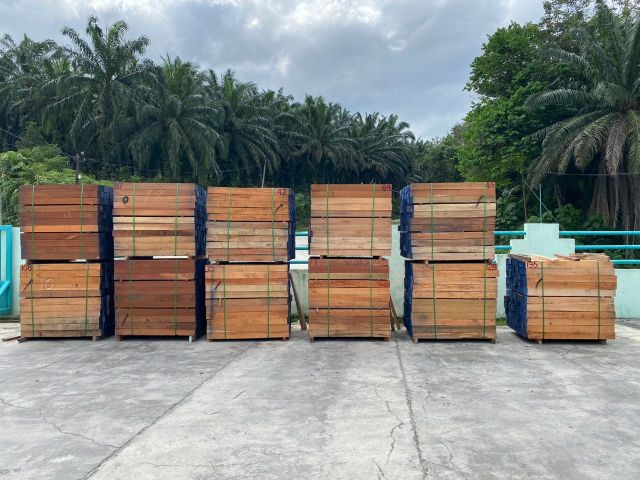
Wooden pallets are a fundamental component of modern logistics and supply chains. Among the various materials used, the pine wood pallet is one of the most widely adopted solutions across industries. In Malaysia, pine wood is commonly used for pallet manufacturing due to its practicality, efficiency, and adaptability to industrial and export requirements.
This article shares industry knowledge on pine wood pallets, explains why pine wood is widely used in Malaysia, and highlights key considerations for businesses using this material.
What Is a Pine Wood Pallet?
A pine wood pallet is a pallet manufactured using pine timber, a softwood species known for its straight grain, consistent structure, and reliable performance. Pine wood pallets are commonly used for:
- Warehouse storage
- Domestic transportation
- Manufacturing operations
- Export and international shipping
Compared to many hardwood alternatives, pine wood pallets are lighter in weight, making them easier to handle while still providing sufficient strength for most industrial applications.
Understanding Pine Wood as a Material
Pine wood belongs to the softwood category, but this does not mean it lacks durability. In pallet manufacturing, pine wood offers several practical advantages:
- Straight grain structure that supports even load distribution
- Uniform density that allows consistent pallet production
- Natural shock absorption, helping protect goods during handling
These properties make pine wood suitable for both one-way shipping pallets and reusable pallet systems.
Why Pine Wood Is Widely Used in Malaysia
The widespread use of pine wood in Malaysia is driven by a combination of operational and economic factors.
- Practical Availability
Pine wood is commonly used in industrial packaging and pallet production, making it readily available for ongoing supply and replacement. - Cost Efficiency
For businesses that require pallets in volume, pine wood provides a more economical solution compared to many hardwood materials. - Manufacturing Flexibility
Pine wood is easy to cut, assemble, and customise, allowing local pallet manufacturers to produce pallets in different sizes and load capacities efficiently. - Compatibility With Export Standards
Pine wood pallets can be heat treated to meet international export requirements, making them suitable for global shipping.
Businesses sourcing wooden pallets in Malaysia often select pine wood due to this balance of performance and cost efficiency.
Common Uses of Pine Wood Pallets in Malaysia
Pine wood pallets are used across a wide range of industries in Malaysia, including:
- Logistics and warehousing
- Manufacturing and factory operations
- FMCG distribution
- Export-oriented businesses
- Retail and wholesale supply chains
Depending on the application, pine wood pallets can be designed as standard pallets or custom wooden pallets tailored to specific handling and storage requirements.
Pine Wood Pallet vs Other Pallet Materials
A pallet doesn’t need to be broken to be unsafe. Warping can create just as many problems.
Over time, exposure to uneven loads, moisture, or heat can cause boards to bend and the pallet to lose its flat profile. You may notice pallets that rock slightly when placed on the ground, or stacks that lean even though the goods themselves are straight.
Warped pallets can:
- Make stacking less stable
- Increase the risk of loads shifting during transport
- Put extra stress on racking systems or shelves
When a pallet no longer sits flat or causes pallet stacks to tilt, it’s a sign that replacement should be considered, especially in environments where high stacking or narrow aisles already carry a risk.
6. Pallets That No Longer Handle Their Usual Loads
Sometimes, the signs of pallet fatigue are only visible when the pallet is under load. A pallet that once carried 800 kg without issues may start to sag noticeably or feel “soft” when lifted, even if there are no large visible cracks.
This can be the result of:
- Gradual loss of stiffness in the wood
- Repeated overloading
- Internal fatigue from years of use
If your team notices pallets bending more than before, or if loads feel unstable when lifted—even though weights and handling procedures haven’t changed—it’s a strong indicator that those pallets are due for retirement.
Keeping such pallets in circulation increases the chance of sudden failure, which is often more costly than the price of a replacement.
7. Signs of Pest Activity or Export Non-Compliance
For businesses involved in export, pallet condition isn’t just about safety and load-bearing—it’s also a matter of compliance.
Many countries require pallets to be heat-treated in accordance with ISPM-15 to prevent the spread of pests. Even for domestic use, visible insect activity can be a red flag.
Watch out for:
- Tiny bore holes in the wood
- Fine wood dust or powder around pallets
- Areas that sound hollow when tapped
Any pallet showing signs of infestation should be taken out of circulation, and for international shipments, only compliant, properly marked heat-treated pallets should be used. Using substandard or non-compliant pallets can result in delays, rejected shipments, or additional inspection costs.
8. When Repairs Stop Making Economic Sense
Finally, there’s the question of cost efficiency.
Repairing pallets can be a smart way to extend their life, especially when the core structure is still strong. Replacing a broken deckboard or securing a loose nail is relatively straightforward. But when repairs become frequent, or when multiple issues appear on the same pallet, the economics change.
A practical way to look at it is this:
If the cost of repairing a pallet repeatedly approaches half the price of a new one, it often makes more sense—financially and operationally—to replace it.
Replacing older, heavily repaired pallets with stronger, better-built units can also improve consistency across your warehouse, making stacking, storage, and handling more predictable.
Protecting Your Operations with the Right Pallets
Damaged pallets are easy to ignore in the rush of day-to-day operations. But the consequences of failure—injured staff, damaged goods, export delays, or shut-down lines—are difficult and costly to manage.
By training your team to recognise the signs above and putting in place simple inspection routines, you can remove unsafe pallets early and keep your operations running smoothly.
How Palbox Can Support Your Pallet Strategy
At Palbox, we work with Malaysian manufacturers, warehouses, and exporters to supply wooden pallets that match real-world usage—not just “on paper” specifications.
We provide:
- New wooden pallets built for industrial and export use
- Heat-treated pallets that comply with ISPM-15 standards
- Custom pallet sizes tailored to your products and racking
- Wooden crates and packaging solutions for heavier or irregular loads
If you’re unsure whether your current pallets should be repaired, refurbished, or fully replaced, our team can help assess your situation and recommend a practical, cost-effective approach.